“Allkütun kangechi”: an INET-md project promoting expanded listening, sound creation and community participation in Chile”
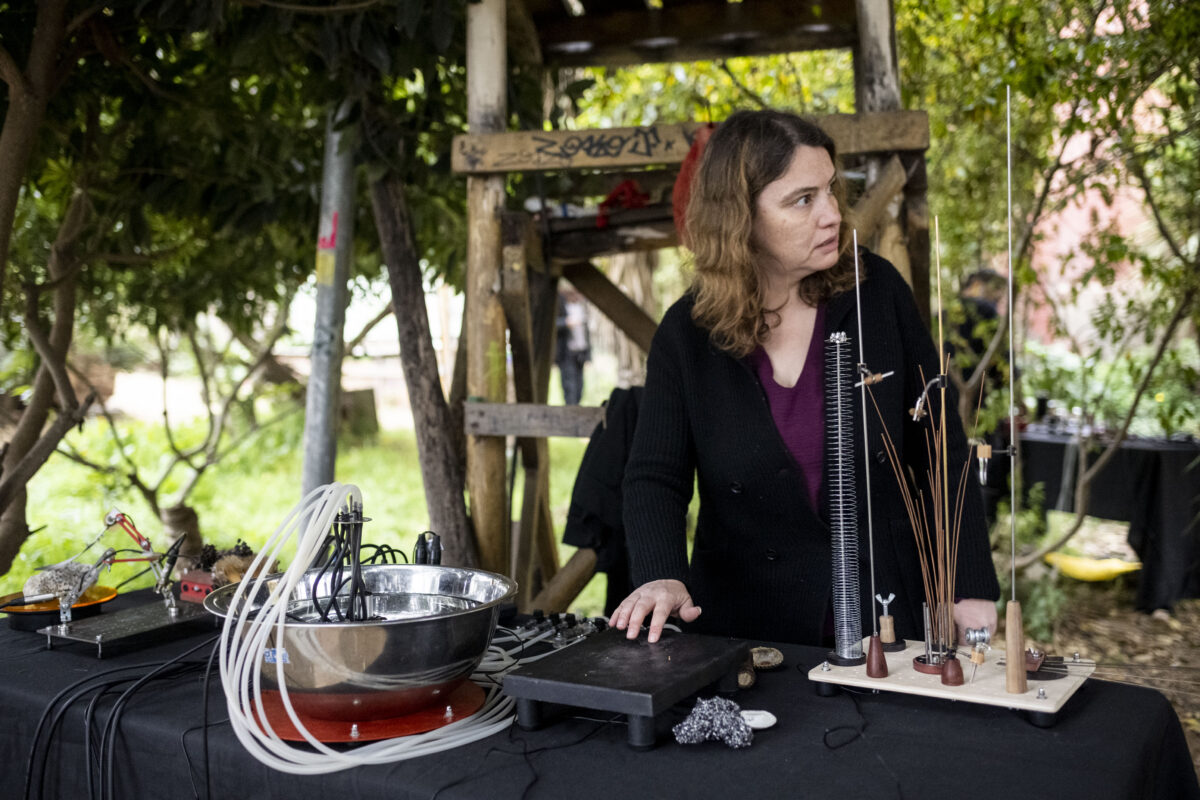
Ana Luísa Veloso, a researcher at INET-md, and Henrique Fernandes, a musician and sound artist from Sonoscopia, developed the project “Allkütun kangechi” in Valparaíso, Chile, funded by the 2025 edition of the Ibermúsicas programme. The project was carried out during an artistic, educational and research residency at the Tsonami Arte Sonoro association between 6 April and 6 May 2026.
“Allkütun kangechi” combines two words in “Mapudungun”, the language of the Mapuche people, associated with the idea of “listening differently”. Building on this concept, the project proposed an artistic and educational experience centred on expanded listening, collective sound creation, and the relationship with the local area, on a journey that invited children, adults, teachers, students, and artists to listen from different perspectives: objects, trees, shells, leaves, and other elements of the natural and urban landscape.
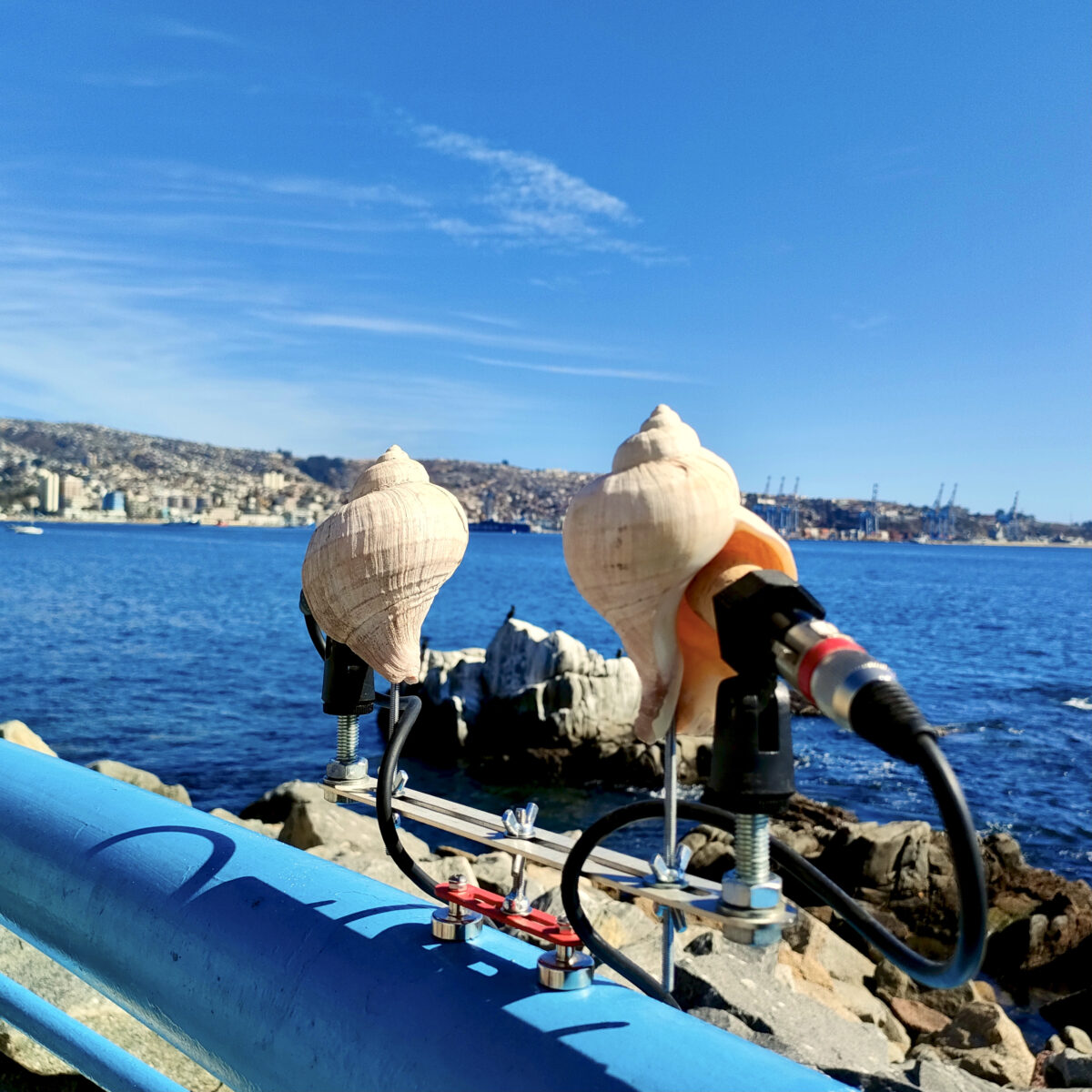
With this aim, a range of listening devices were developed throughout the project, including microphones prepared with seashells, thistles, glass bells, and other materials. These functioned as acoustic filters, inviting participants to engage in a material and imaginative mode of listening through these elements.
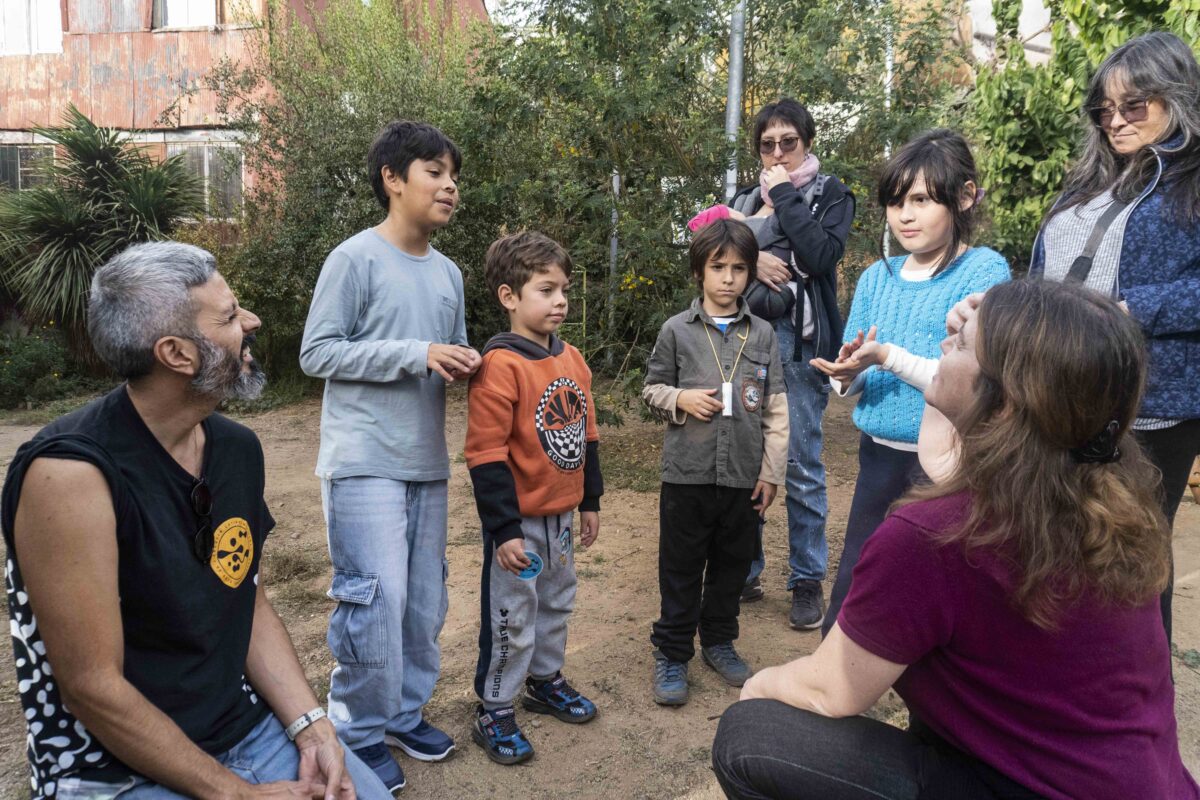
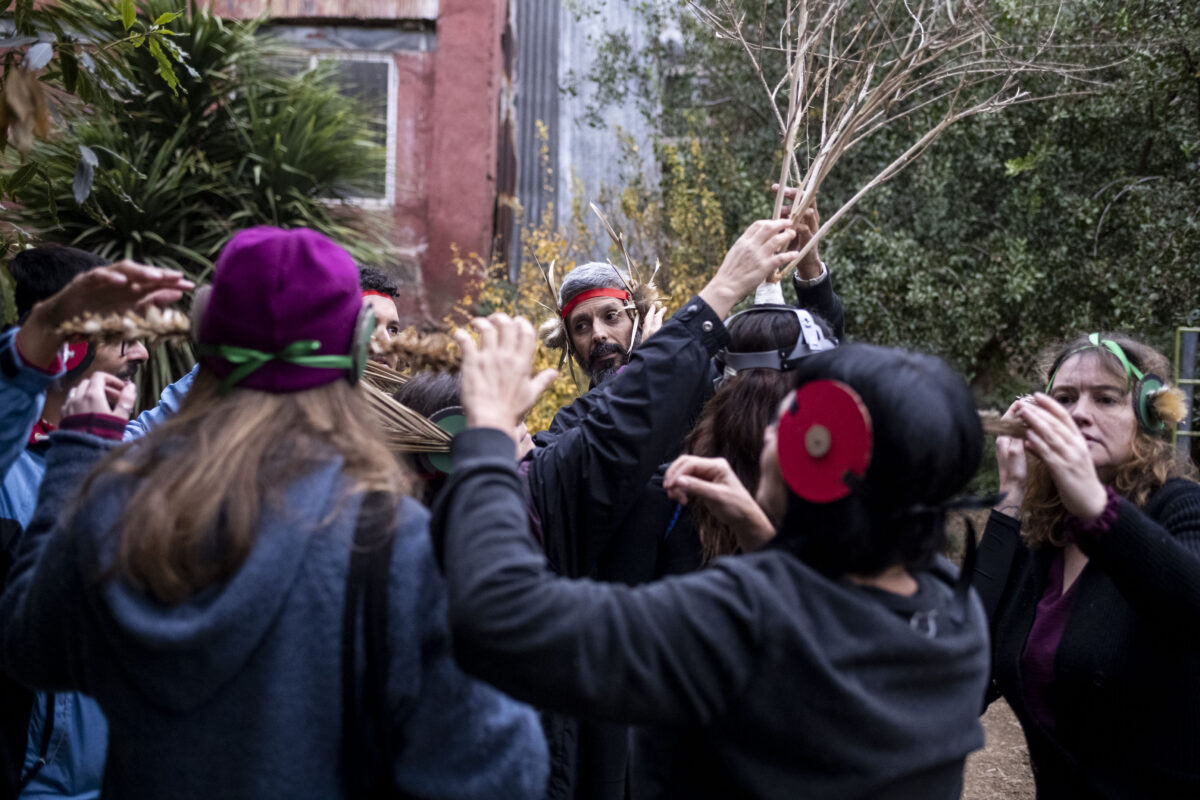
In Valparaíso, the project took place across a range of educational, community, and artistic contexts. At “Parque Escuela”, regular workshops were held with the community, involving children, adults, and artists in processes of listening, exploration, experimentation, and sound creation. The residency also included a meeting with teachers, two workshops in schools — at the “Escuela República del Uruguay” and the “Colegio Brasília” — as well as the recording of a programme for Radio Tsonami. The project also extended to “Ciudad Abierta”, where a workshop was held with students from the School of Architecture and Design at the Pontifical Catholic University of Valparaíso, focusing on listening as a means of engaging with space, materials, the body, and place.
The performative dimension took shape over the course of the residency through the creation of a ‘Chimera’ – a hybrid body emerging from an intertwining of the human, the non-human and technology – which encapsulated some of the project’s central ideas: the expanded, displaced and reluctant listening to the ‘intermediate space’ that emerges from the interaction between the various elements (human and non-human) that inhabit a place.
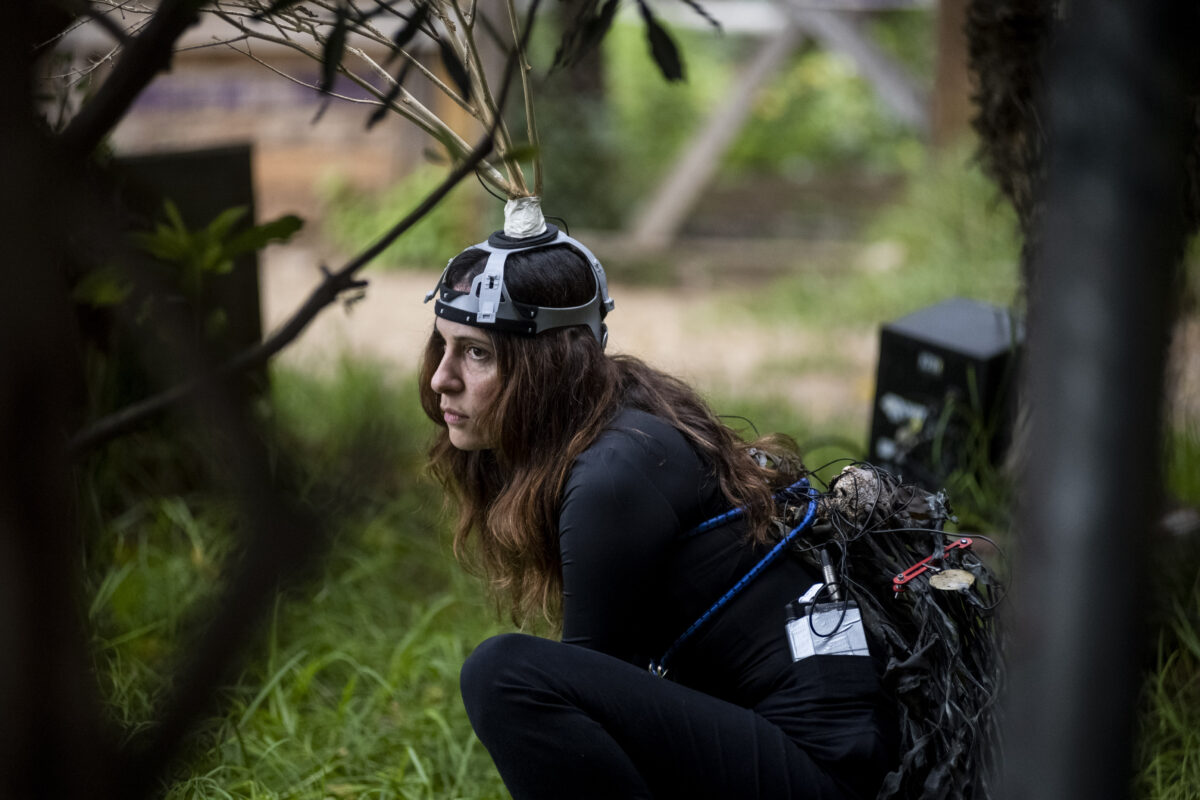
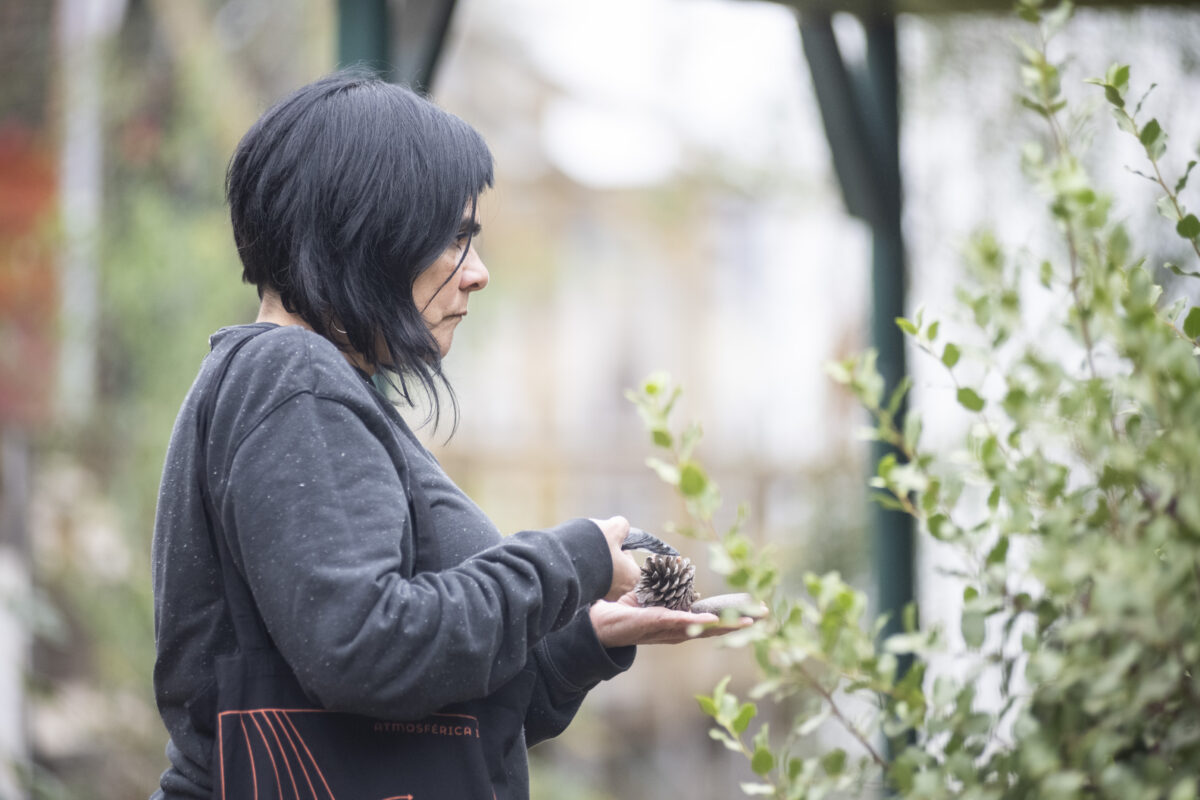
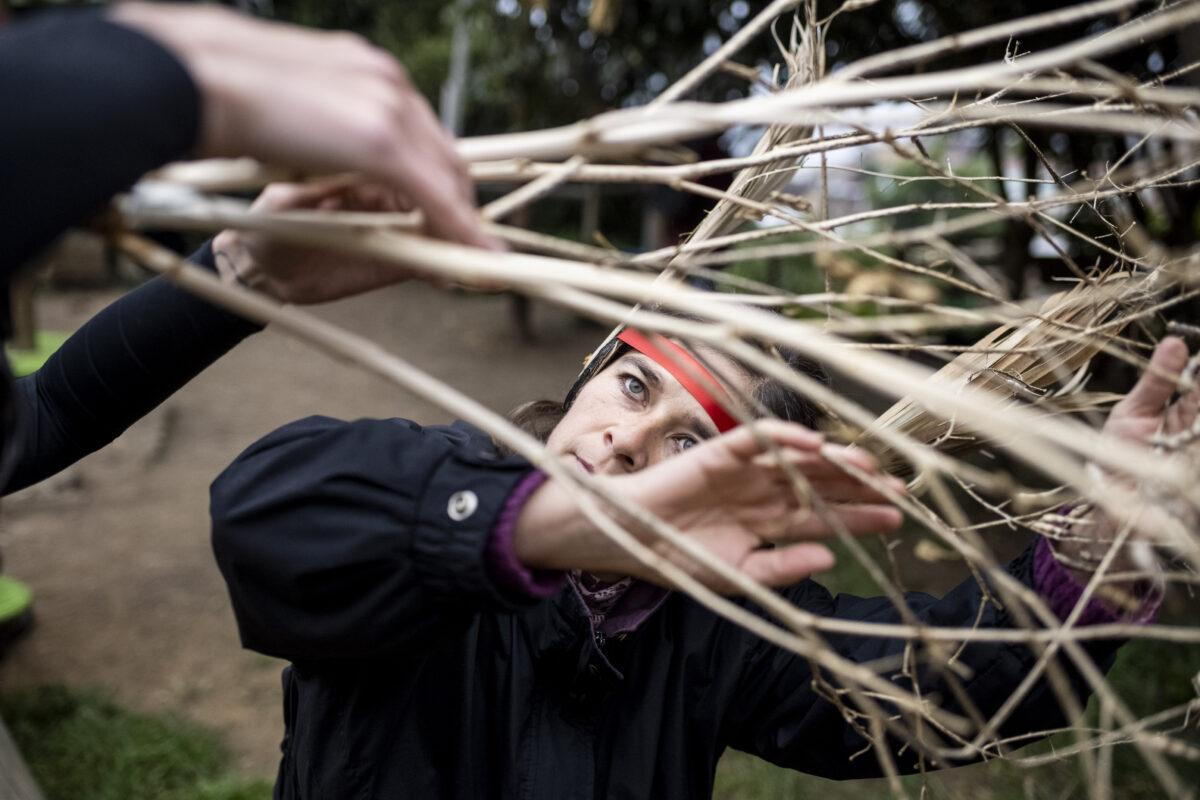
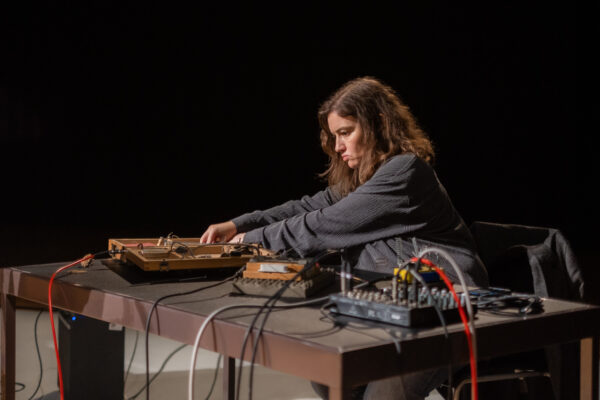
The residency culminated on 30 April in a public performance at Parque Escuela, featuring those who had taken part in the workshops, artists from the Tsonami association, and other local artists. The public could watch the performance live, but could also listen to it via Rádio Tsonami, with access to the final mix or, via a QR code, to different listening points: the microphones with thistles, the microphones with conch shells, the microphones with glass bells, and the ‘Quimera’ listening experience.
Allkütun kangechi provided a space for meeting, exchange, and research, enabling participants to explore in greater depth the lines of research currently being developed at INET-md/University of Aveiro and at Sonoscopia, focusing on sound-centred music education, expanded listening, collaborative creation, and artistic practices with children and communities, whilst also strengthening collaborative networks between Portugal and Chile.
Related