


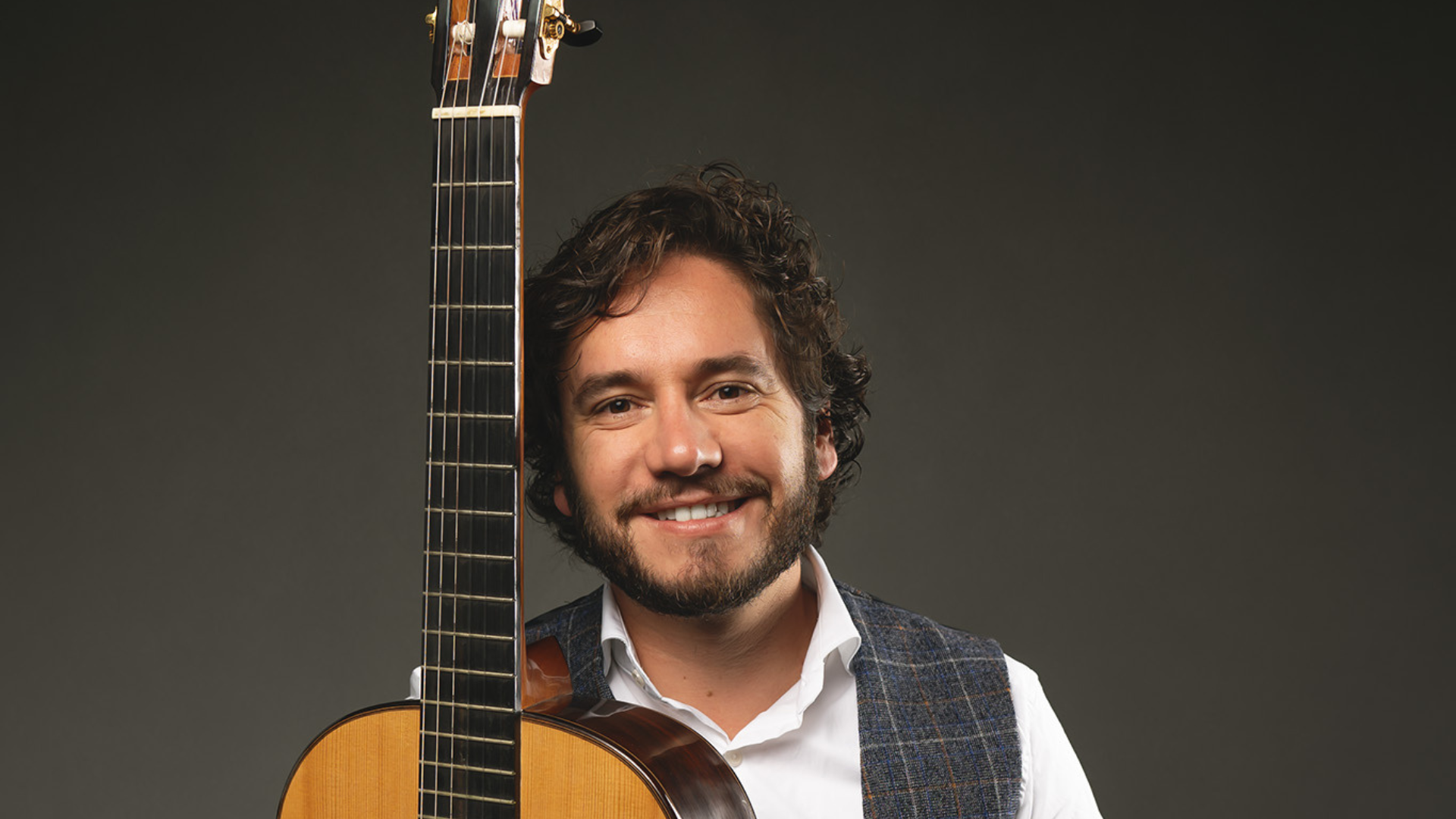
PhD Defence Jury
- Prof. Dr João Filipe Colardelle da Luz Mano (UA)
- Prof. Dr Armando César Ferreira Lima (ISCTE)
- Prof. Dr Danilo Ramos (UNESPAR)
- Prof. Dr Helena Paula Marinho Silva de Carvalho, advisor (UA/INET-md)
- Prof. Dr Patrícia Sofia Pinhanços Batista (UCP)
- Prof. Dr Clarissa Gomes Foletto (UA/INET-md)
The control of anxiety as a potentiator of flow experience in musical performance
This thesis investigates the relationship between Music Performance Anxiety (MPA) and Flow Experience (FE) in musical performance contexts involving social evaluation, adopting an interdisciplinary perspective. Although these constructs have often been conceptualised as opposing experiences, the relationship between MPA and FE remains insufficiently explored in musical performance settings. The primary aim of this research was to develop and implement innovative multimodal approaches capable of investigating this relationship within experimentally controlled and ecologically valid performance simulation contexts. To achieve this objective, a research programme was developed, comprising one scoping review and five empirical studies. Initially, a review guided by the PRISMA-ScR and JBI frameworks mapped the literature on the relationship between MPA and FE, identifying conceptual trends, methodological approaches, and research gaps, particularly the absence of multimodal paradigms capable of integrating subjective, psychophysiological, and contextual dimensions. Based on these gaps, the research progressively developed and integrated conceptual, psychometric, psychophysiological, neurophysiological, perceptual, and technological resources. These included the adaptation and validation of the European Portuguese version of the Flow State Scale-1 for musicians, biofeedback procedures aimed at psychophysiological self-regulation, an augmented reality-based performance simulation paradigm incorporating a virtual jury, and binaural self-listening paradigms monitored through electroencephalography.
These developments culminated in the implementation of an exploratory multimodal paradigm designed to investigate the intra-individual dynamics between MPA and FE in higher education music students. The protocol integrated psychometric, psychophysiological, and hormonal measures and adopted an analytical approach centred on intra-individual change. The findings suggest that the relationship between MPA and FE is more complex, dynamic, and context-dependent than strictly antagonistic interpretations have proposed. Although inverse associations between both phenomena were frequently observed, the results indicated that increases in FE may occur without proportional reductions in MPA and that both experiences may coexist under specific performance conditions. Collectively, these findings contribute to an integrated understanding of musical performance and introduce a multimodal methodological framework for investigating subjective, psychophysiological, and contextual experiences in simulated performance settings.
Keywords
Music Performance Anxiety; Flow Experience; Performance Science; Music Performance Simulation; Augmented Reality; Binaural Self-Listening; Biofeedback; Electroencephalography (EEG), Psychophysiology, Psychophysiological Self-Regulation.