


PERMANENT SEMINAR OF THE RESEARCH GROUP ON ETHNOMUSICOLOGY AND STUDIES IN POPULAR MUSIC
The Permanent Seminar in Ethnomusicology and Popular Music Studies, created in 2022, is the central event of the Research Group with the same name. It brings together all its researchers—integrated, collaborating or pursing a PhD—on a monthly or bi-monthly basis. Recent research presented by scholars from within and outside the group, both national and international, is discussed, always maintaining a balance of gender and career levels. The program is curated by Filippo Bonini Baraldi, Andrew Snyder, and Susana Sardo.
18-11-2026 | 4 pm – 6 pm | NOVA FCSH, Lisboa | Campus Campolide, Colégio Almada Negreiros
| Room 209
Free entrance, in person and online.
“Comprem, Porra!”: Subsumption and the Economic Entrapments of Brazilian Indie Music
Shannon Garland | University of Pittsburgh
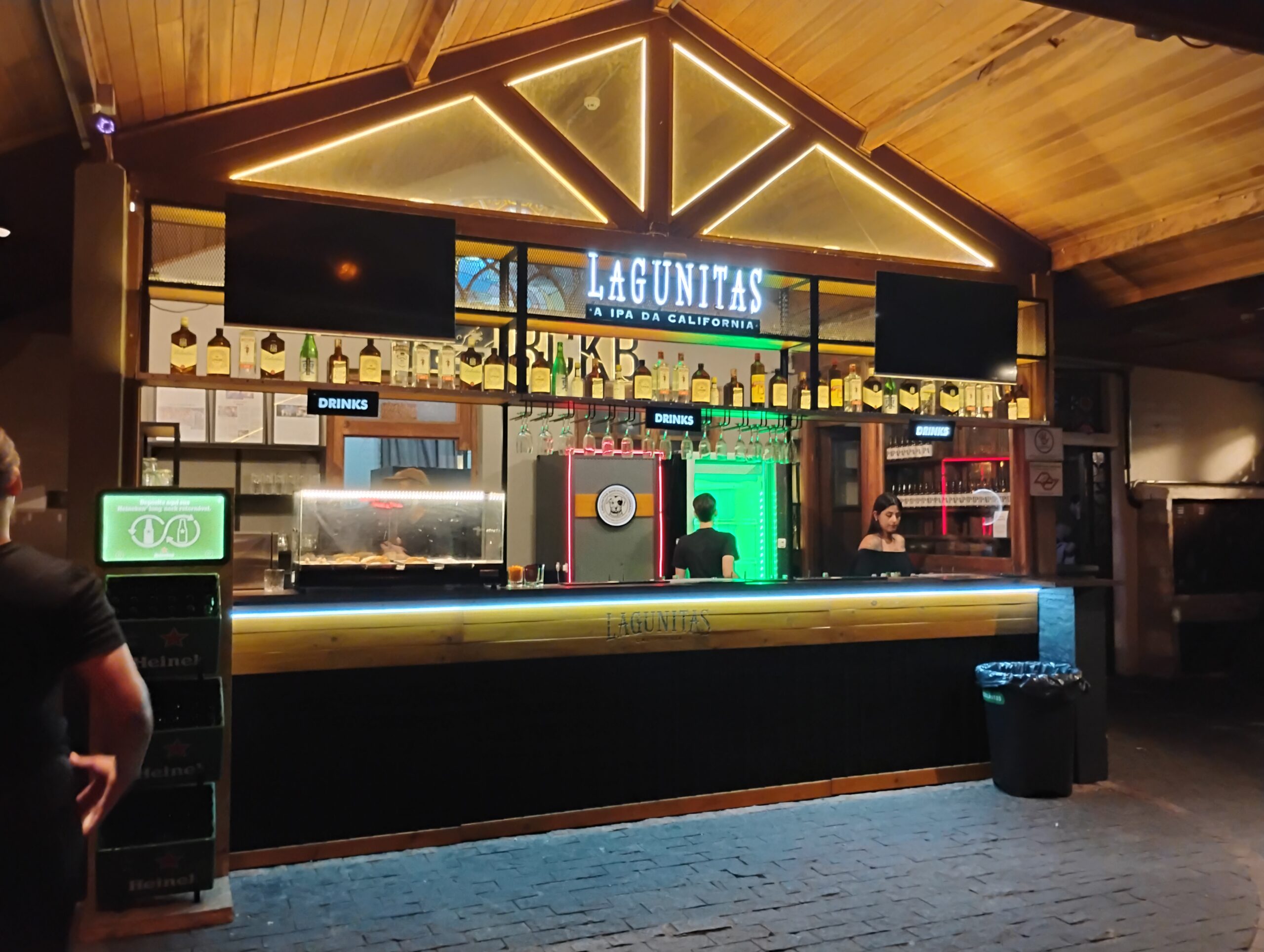
In 2026, indie music in Brazil seems to be all about money. Bands yell at their fans to buy t-shirts at shows. Small venues exhort audiences to buy their drinks, not those of the cheaper bar next door. Producers complain that bands expect cachês well above what they can pay. And venue managers explain how their long career of producing music independently has turned into a job working for transnational beer and ticketing companies. This talk discusses the apparent contradiction between the commerciality suffused throughout Brazilian indie circuit, from free shows on the street to garage venues to mid-sized music halls, and the post-punk, Do-It-Yourself practices — and political ethos — from which indie culture arose. It describes the industrial commodity and financial circuits which form part and parcel of the indie economy, such as the petty commodity production of bands— t-shirts, records, stickers; the street cart vendors that compete with the organizers of illegal street parties; and the formal venues which operate as debtors to beer companies and ticketing agencies. It considers these activities theoretically through the concepts of petty commodity production and subsumption, the processes by which production becomes subordinated to capital. What are the implications for popular music culture when producers have no choice but to exhort listeners to buy, while multinational corporations use music a means to sell something else?
Shannon Garland | Shannon Garland is Assistant Professor of Music at the University of Pittsburgh and a Fulbright Visiting Researcher at INET-md. She researches labor exploitation, remuneration and commodification in relation to music media, sociality, and politics, particularly in South American rock. Her Fulbright research, the basis of a new project, investigates the unpaid labor at the heart of the Festa do Avante!. She has published in the Oxford Handbook of Economic Ethnomusicology; Culture, Theory and Critique; Ethnomusicology Forum, The Journal of Extreme Anthropology, and Rock Music Studies, among other venues. She is also co-editor of the volume Independence in 21st-Century Popular Music: Cases from Beyond Anglo-America. Her current book project, For the Love: Indie Music, Labor, and Value in Brazil and Beyond, traces the rise and transformation of the Brazilian indie music industry