


Since the turn of the 21st-century, scholars have debated how to characterize the seemingly pervasive phenomenon of unpaid labor within the music industries. They have noted that labor – whether as a fan, producer, composer or performer— is often carried out without pay owing to the special feelings music can elicit. In fact, freely-given labor seems to cause intensely affective musical experience—a self-produced, free concert feels more special than a ticketed, commercial one. This project explores this dynamic through four months of ethnographic and archival research on the 50th anniversary of the Festa do Avante! in Portugal. The Festa do Avante!, or “festa,” is a musical, cultural and political festival built and run almost entirely through volunteer (or “militant”) labor. This labor structure, perhaps even more than the festa´s overt political association, appears to be the key reason it feels different and special, both for party members and volunteers, as well as for the majority of attendees. At the Festa do Avante! the musical performances seem to feel more direct, special, and authentic, and a sense of friendliness and collectivism reigns. This sentiment is expressed in the tagline, “there’s no other ‘festa’ like this!” [não há festa como esta!]. This project researches the labor construction process of the festa and the meaning of volunteering for those who engage in it, as well as how the event feels for those who attend as audience members. Research includes participating in the construction process and conducting ethnographic interviews with labor participants and event attendees. It will also review Portuguese scholarship on music, the country’s redemocratization process, and politics.
Keywords: Volunteer Labor, Festivals, Musical Feeling.
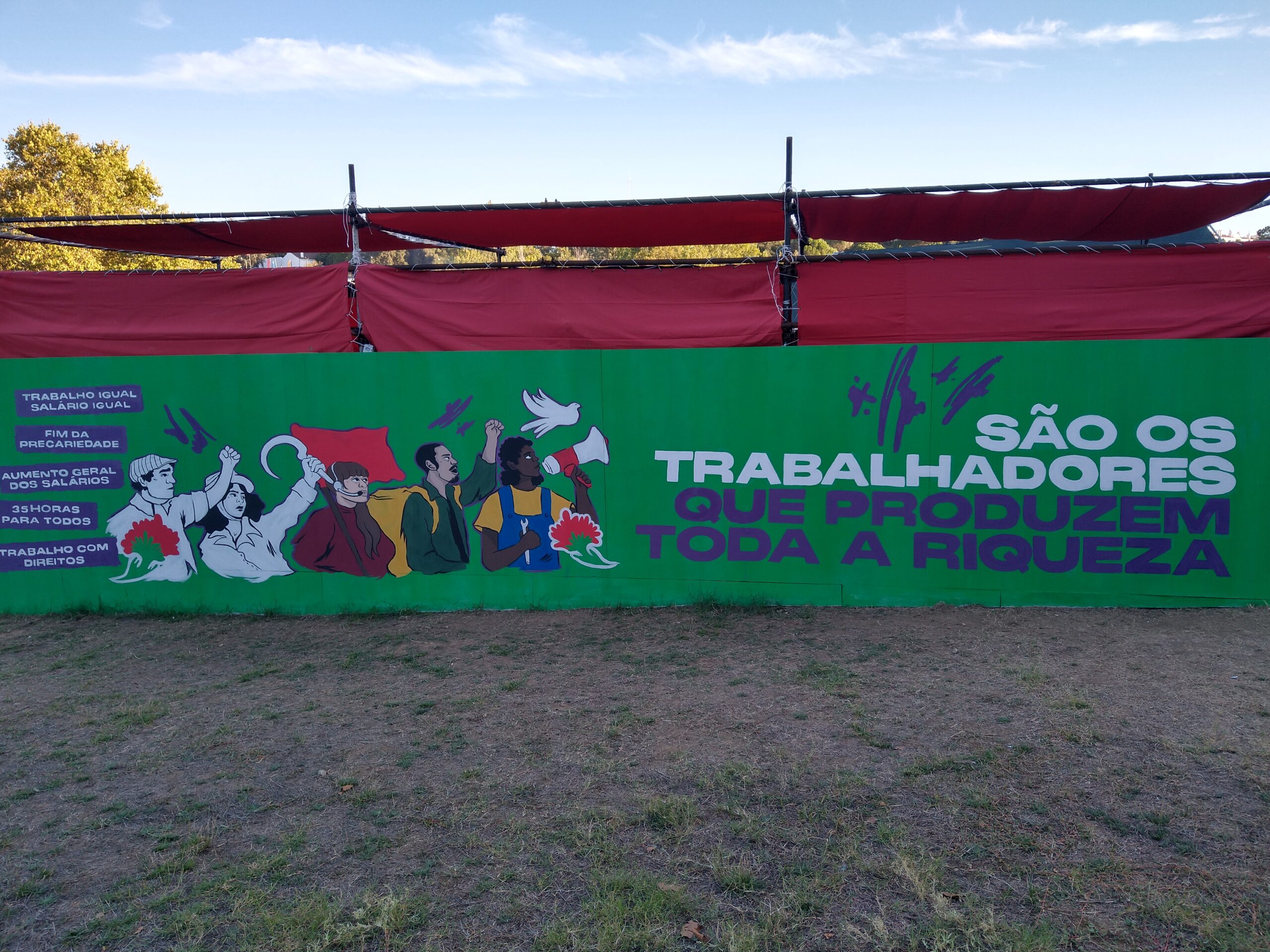
Image: Photo at Festa do Avante! in 2024®Shannon Garland
Funding
Fundação para Ciência e Tecnologia (FCT), via the Fulbright Commission of Portugal
European Studies Center, University of Pittsburgh
Institutions involved
Institute of Ethnomusicology – Centre for Studies in Music and Dance
NOVA School of Social Sciences and Humanities
University of Pittsburgh
Execution period
August-December 2026