


PERMANENT SEMINAR IN ETHNOMUSICOLOGY AND POPULAR MUSIC STUDIES
The Permanent Seminar in Ethnomusicology and Popular Music Studies, created in 2022, is the central event of the Research Group with the same name. It brings together all its researchers—integrated, collaborating or pursing a PhD—on a monthly or bi-monthly basis. Recent research presented by scholars from within and outside the group, both national and international, is discussed, always maintaining a balance of gender and career levels. The program is curated by Filippo Bonini Baraldi, Andrew Snyder, and Susana Sardo.
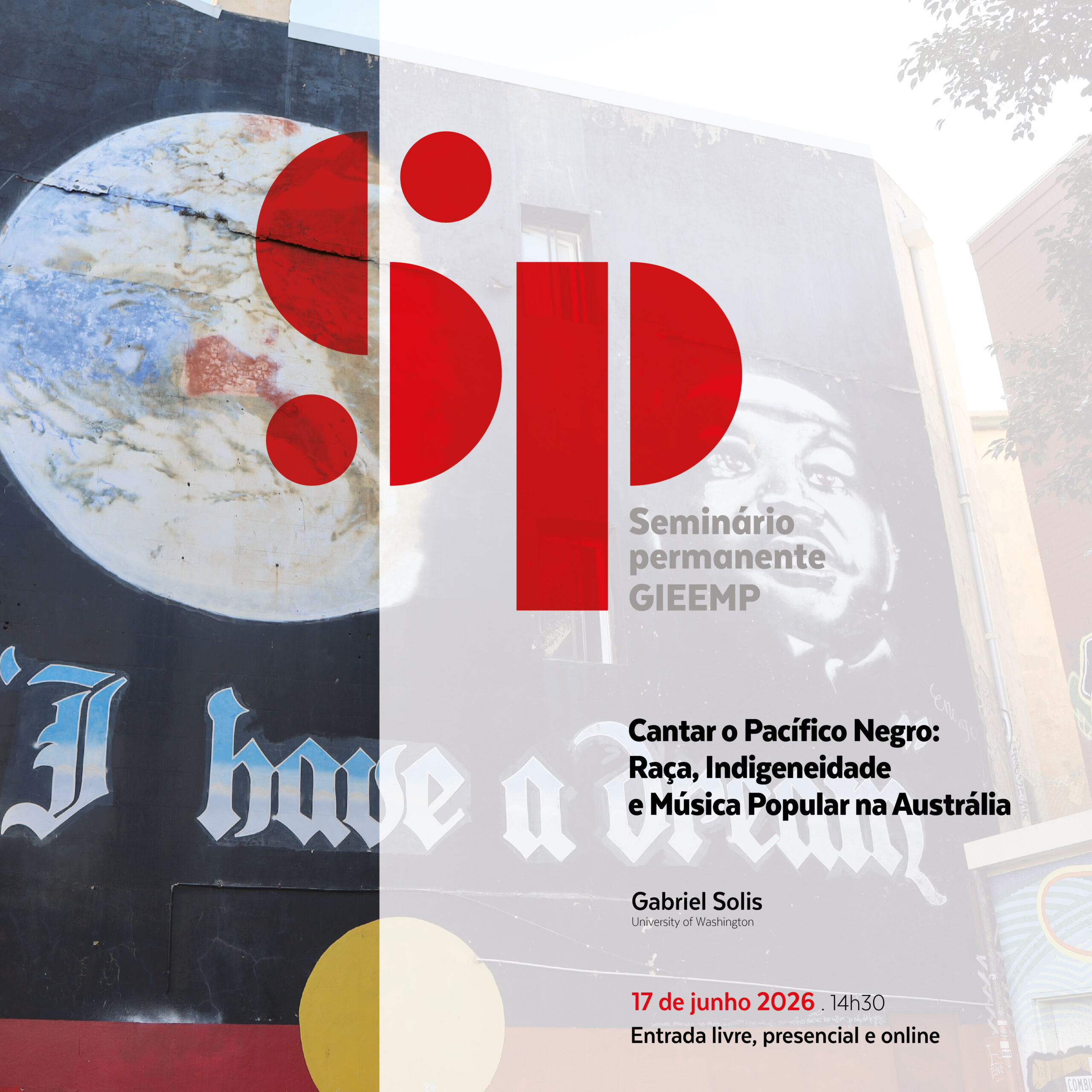
2026-06-16 | 2:30 pm | NOVA FCSH, Lisboa | Campus Avenida de Berna | Tower A, Room A106 & Online
Free entrance, in presence and online. The seminar will be held in English.
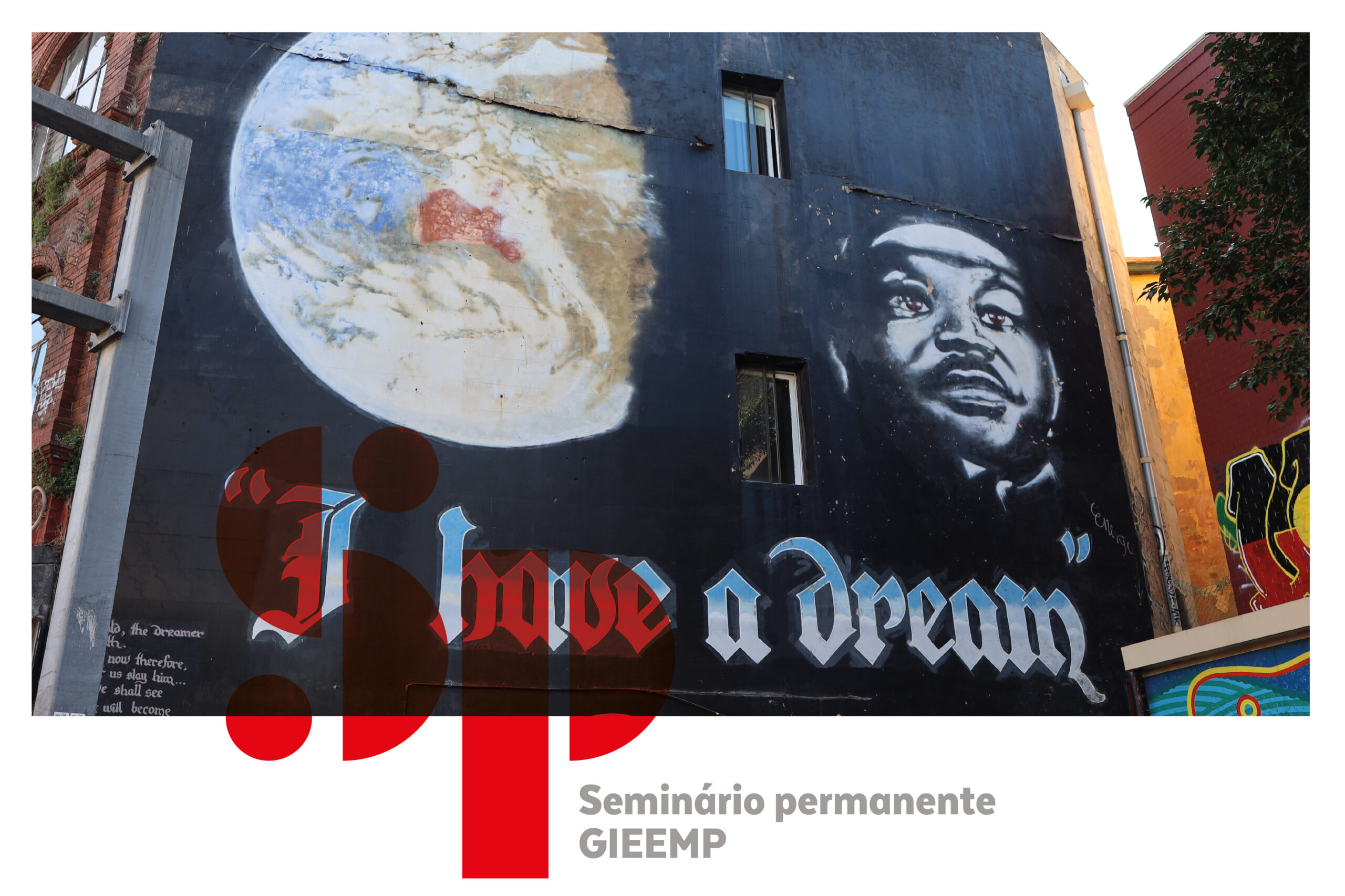
Singing the Black Pacific: Race, Indigeneity, and Popular Music in Australia
Gabriel Solis | University of Washington
Over the course of the past 150 years musical genres originating within Black communities in the U.S. and the Caribbean—from Spirituals to Hip Hop—have been a profound resource for Indigenous musicians and activists in Australia and throughout the Pacific. They have served as vehicles for aesthetic development, political philosophy, transnational connection, and deep pleasure. At the same time, they have been a particularly potent feature of Aboriginal and Melanesian communities becoming enmeshed and embedded in global modernity. This talk draws on ethnographic research to explore the contemporary resonance of this history for Indigenous Australians. Motivated in part on the global turn in jazz studies it asks what a perspective from a remote and commercially marginal part of these genres’ global reach might tell us about the music that we cannot know from a U.S.-centric perspective. Theoretically this study invites reflection on Blackness and Indigeneity as transnational social formations within Anglo settler colonies and the place music holds in the creation of those social formations. The literature on this topic has tended to start from Patrick Wolfe’s writing and thus is oriented toward political economy; it has also tended to understand each formation through its relationship to the production of whiteness. I argue that the musical Black Pacific offers a perspective on the importance of affect and aesthetics as theoretical lenses, and joins a growing literature on Black–Native relationships that seek to avoid centering whiteness.
Gabriel Solis | Professor of Music and Divisional Dean of the Arts at the University of Washington in Seattle. He is an ethnomusicologist and music historian whose work has focused on aesthetics, the role of historicity and repetition in improvisation, and on global musical modernity in the Pacific. He is the author of the books Monk’s Music (2008) and Thelonious Monk Quartet with John Coltrane at Carnegie Hall (2013) and co-editor with Bruno Nettl of Musical Improvisation: Art, Education, Society (2009). His articles on these topics and more have appeared in journals in music, history, sociology, and informatics. His forthcoming book, Singing the Black Pacific will be published by Oxford University Press.