


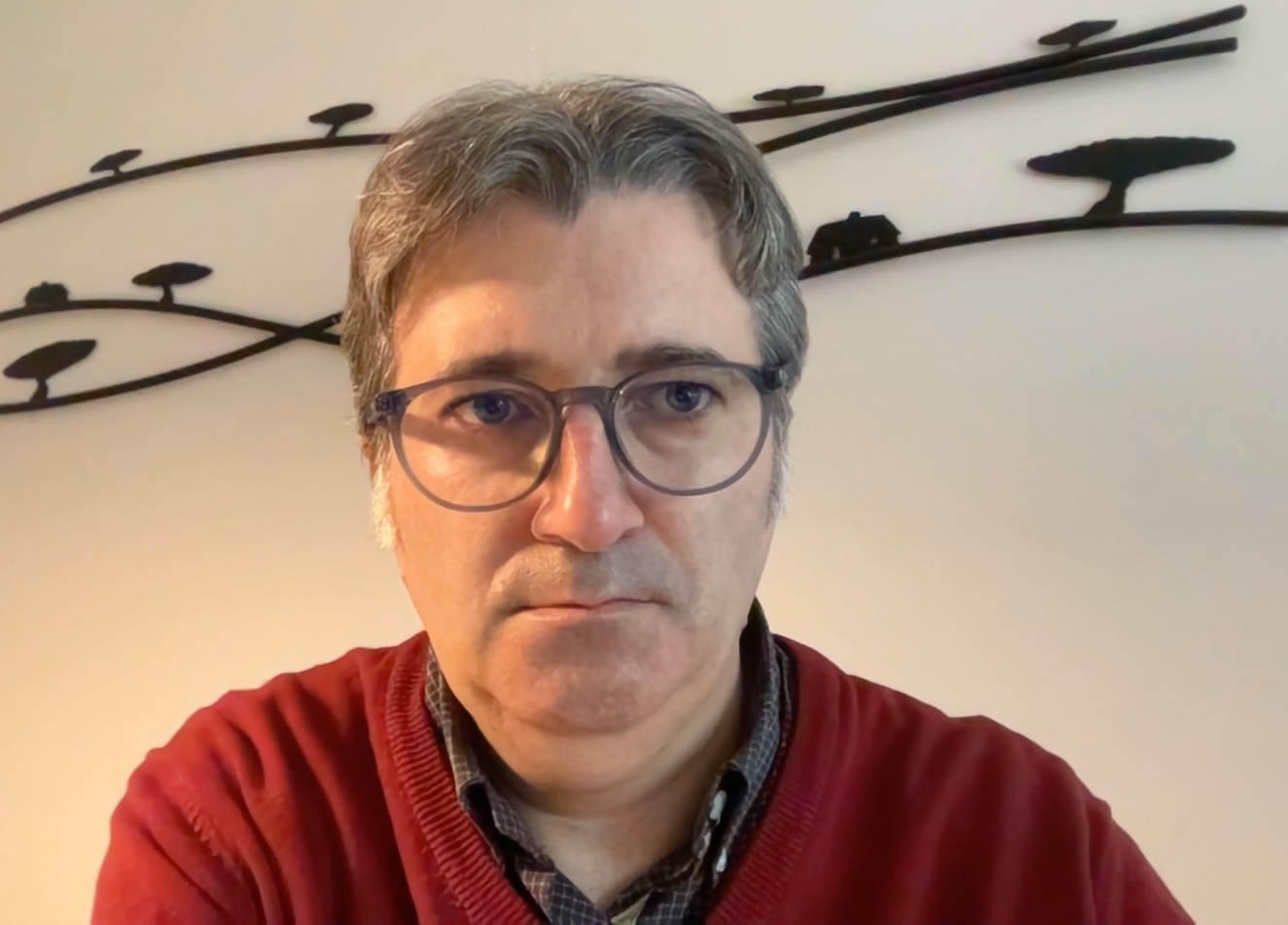
Ph.D Committee:
- Prof. Dr Mário Guilherme Garcês Pacheco (CESAM, UA)
- Prof. Dr Enrique Muñoz Rubio (Universidad Autónoma de Madrid
- Prof. Dr Maria Paula Brandão Airão Marques (Escola de Música Óscar da Silva)
- Prof. Eduardo Daniel Martins Baltar Soares
- Prof. Dr Shao Xiao Ling (INET-md, UA)
- Prof. Dr (retired) José Paulo Torres Vaz de Carvalho, advisor (INET-md, UA)
A guitarra clássica de cordame acrescido: Um lugar na contemporaneidade
Currently, many guitar performers — within the context of Western classical music — use instruments from the past, whether original examples, in some cases over a century old, or replicas built according to historical construction standards. However, few have engaged with guitars featuring more than six strings, which were widely explored during the nineteenth century and, in some instances, the twentieth century.
At the outset of this research, no Portuguese repertoire composed for eight- and ten-string guitars — here designated as extended-string classical guitars — was known, nor were there identified performers or composers who had integrated these instruments into the contemporary musical landscape of the twenty-first century. Likewise, no academic study dedicated to this type of instrument had been undertaken.
Accordingly, the aim of this research is to contribute to the creation of conditions that may establish a contemporary place for extended-string classical guitars within the Portuguese classical music scene, through collaborative actions between knowledge produced by historical research and that emerging from artistic research.
Keywords
Classical guitar; Extended strings; Artistic creation; Performance; Collaboration; Contemporaneity; Portugal