


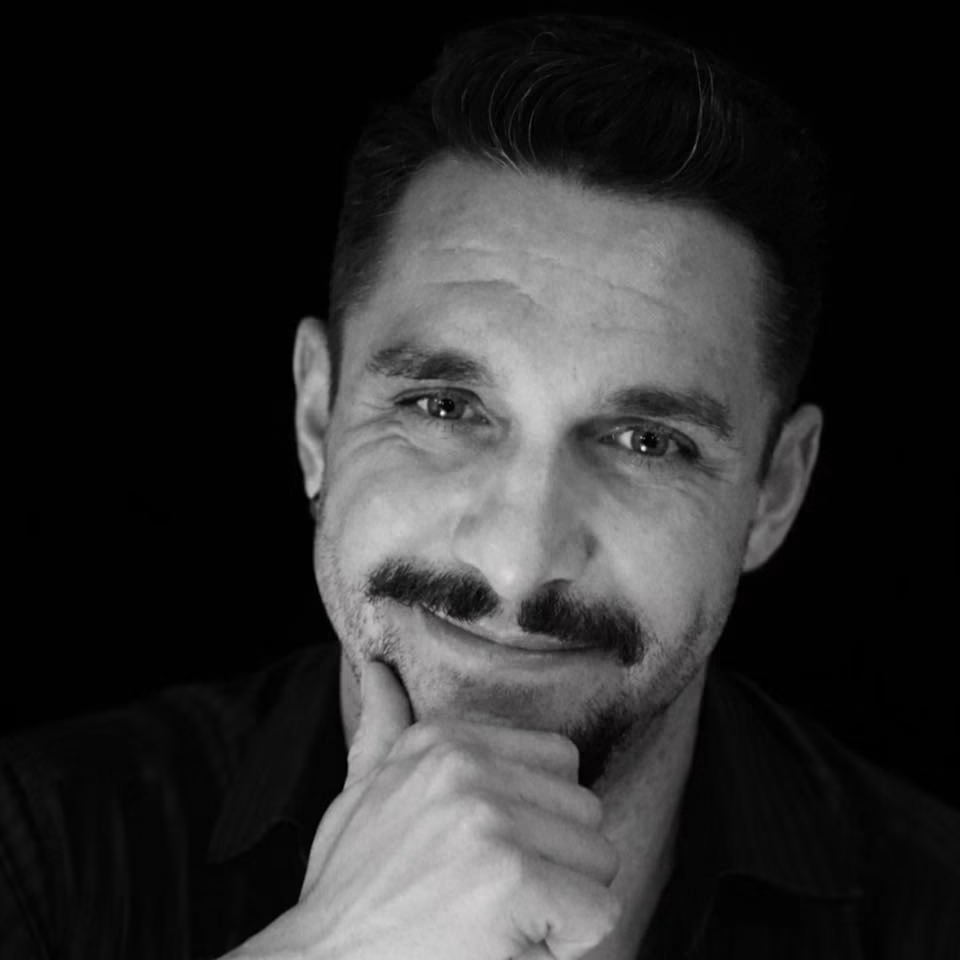
On 27 November 2026, at 2:30 pm, the PhD examination in Music of Master’s graduate Jean Gorges will take place, during which he will defend his dissertation entitled “Programming the Singing Voice – A Neuropsychodynamic Perspective on the Voice”, under the supervision of Isabel Maria de Oliveira Alcobia, Maria de Assunção Coelhos de Matos and Isabel Maria Monteiro da Costa. The defence will take place in the Academic Ceremonies Room, Central and Rectorate Building, at the University of Aveiro.
PhD Committee
- Prof. Delfim Fernando Marado Torres (UA)
- Prof. Maria Lúcia de Castro Cardoso de Lemos (Universidade Lusófona)
- Prof. Dr Clarissa Gomes Foletto (UA/INET-md)
- Prof. Dr isabel Maria de Oliveira Alcobia, orientadora (UA/INET-md)
- Prof. Dr João Pedro de Melo Pestana Mouga Malheiro (UNIPS)
- Prof. Dr Ricardo Johny Tuttmann (UFRJ)
Singing Voice Programming – A Neuropsychodynamic Perspective of the Voice
This thesis studied the neurophysiological mechanisms involved in singing voice production, focusing on vocal assessment and the relationship between motor control, auditory–motor feedback and neuroplasticity. It was organized into five published scientific articles. The first, a systematic review, consolidated the Singing Voice Handicap Index (SVHI) as a versatile instrument for vocal assessment in clinical and research contexts. The second, a randomized, single-blind, crossover clinical trial, showed that the semi-occluded vocal tract exercise Finger Kazoo, with and without oropharyngeal enlargement, immediately improved phonatory stability and efficiency in the operatic singing voice. The remaining three articles form a triptych on the neurophysiology of singing learning. Two narrative reviews examined neural interference between vocal styles, the role of auditory–motor feedback and feedforward, and vocal error recognition and correction, and proposed pedagogical strategies for vocal flexibility and self-monitoring. A scoping review associated vocal expertise with greater auditory–motor control efficiency, reduced reliance on delayed feedback, and functional and structural adaptations in cortical and subcortical networks. Together, the studies propose a neurofunctional framework of the singing voice, “singing voice programming”, and pave the way for broader, interdisciplinary experimental research bridging vocal practice, clinical application and neuroscience.
Keywords
Singing Voice; Voice Physiology; Vocal Performance; Neuroplasticity; Vocal Training.