EnIM 2026 Brings Together Music Researchers in Mafra, with Strong Participation from INET-md
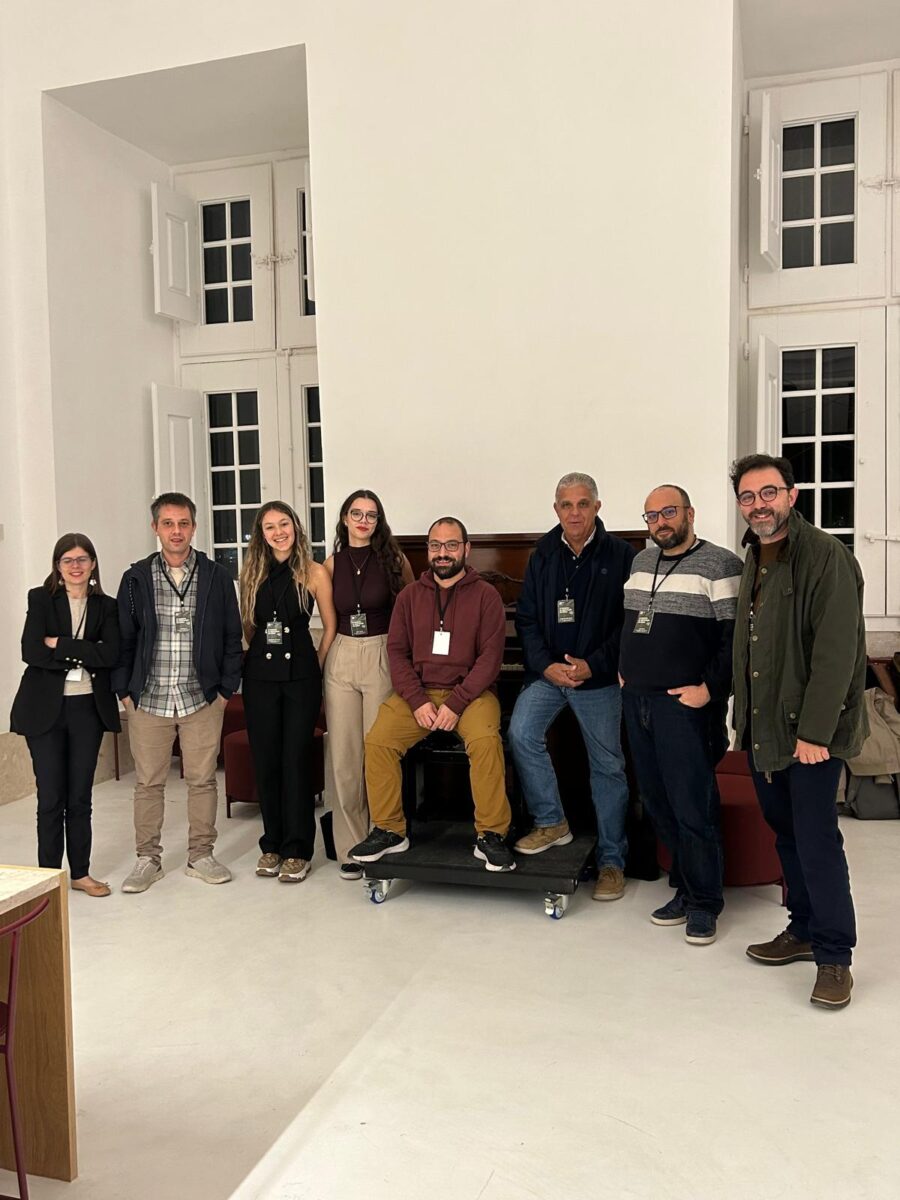
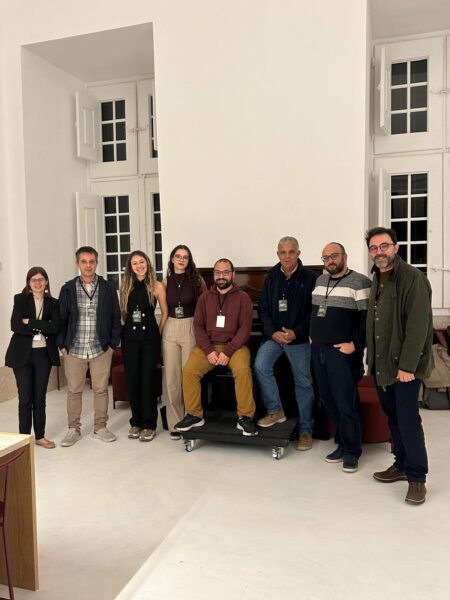
From 4 to 6 November 2026, the National Music Museum, located in the Royal Building of Mafra, hosted the 15th National Meeting for Research in Music (EnIM 2026), organised by the Portuguese Society for Research in Music (SPIM), in collaboration with the National Music Museum, INET-md and CESEM. Over three days, the meeting brought together researchers from different institutions and fields of expertise, fostering the presentation, discussion and exchange of knowledge in music research.
The scientific programme featured 18 thematic sessions, six panels and two workshops, encompassing a wide range of research perspectives and methodologies. Topics included music history and heritage, musical creation and performance, music education, improvisational practices, cultural policies, the circulation of musicians and repertoires, and the relationships between music, technology and society.
The programme included two keynote lectures. In the opening session, Luísa Cymbron presented Da biografia na História da Música em Portugal, reflecting on the place of biographical research in Portuguese music historiography. On the final day, Eric de Visscher delivered Exhibitions as alternative modes of musical experience, exploring the potential of exhibitions as alternative forms of musical experience and engagement.
The thematic diversity was also reflected in panels addressing music in public spaces, memory and historical soundscapes, transformations in opera in the age of digital platforms, and the relationship between musical heritage and pedagogical practices. Other discussions focused on audiovisual creation, the circulation of percussion instruments between Africa and South America, performance anxiety, and the challenges posed by artificial intelligence to musical creation and archiving.
Scientific Contributions from INET-md
INET-md was strongly represented at EnIM 2026, with researchers, research fellows and students contributing through paper presentations, panel coordination and scientific discussions.
Among the contributions identified in the programme were:
- Jorge Alexandre Costa, who coordinated the panel A Formação Musical no ensino artístico especializado: uma disciplina periférica com imaginação do centro (Music Theory and Aural Skills in Specialised Arts Education: A Peripheral Discipline with Central Ambitions), in which he presented “A Formação Musical no Ensino Artístico Especializado: um retrato em cinco etapas” (Music Theory and Aural Skills in Specialised Arts Education: A Portrait in Five Stages).
- José Carlos Mateus, who participated in the session Pedagogia e treino auditivo (Pedagogy and Aural Training) with the paper “Recovering Portuguese aural training heritage: ‘Solfejos Autógrafos de Compositores Portugueses’ as a Pedagogical Source”, examining the recovery of Portuguese musical heritage as a pedagogical resource for aural training.
- Luís Castro, who co-authored with Carol Gillanders the paper “Aprender a improvisar ou improvisar para aprender? Um quadro multidimensional para investigar a improvisação no ensino secundário especializado de música” (Learning to Improvise or Improvising to Learn? A Multidimensional Framework for Investigating Improvisation in Specialised Secondary Music Education), presented in the session Ensino Artístico Especializado(Specialised Arts Education).
- Nuno Peixoto de Pinho and Tiago Manuel da Hora, who jointly presented “Do manuscrito à edição moderna do Concerto para Violino de Augusto Marques Pinto: ambiguidades, lacunas e decisões editoriais” (From Manuscript to Modern Edition of Augusto Marques Pinto’s Violin Concerto: Ambiguities, Gaps and Editorial Decisions), in the session Manuscritos e Edições (Manuscripts and Editions). Tiago Manuel da Hora also coordinated the panel Património musical português e ensino de música: contexto, desafios e propostas pedagógicas (Portuguese Musical Heritage and Music Education: Context, Challenges and Pedagogical Approaches).
The Institute’s participation also included contributions from Cristina Fernandes and Filipa Lima, reflecting the involvement of different fields of expertise and research groups within INET-md.
The Institute’s research activity was further highlighted by presentations from two research fellows:
- Ana Beatriz de Andrade, who presented “Orquestra Clássica da Madeira: uma leitura multidimensional de uma instituição artística” (Madeira Classical Orchestra: A Multidimensional Perspective on an Artistic Institution), in the session Orquestras regionais e políticas públicas (Regional Orchestras and Public Policies).
- Sílvia Tavares, who co-authored with Filipe Lopes the project “OUVIDO ABSURDO: um jogo de tabuleiro para o estudo de teoria musical” (OUVIDO ABSURDO: A Board Game for Studying Music Theory), presented in the session Pedagogia e treino auditivo (Pedagogy and Aural Training).
The meeting also involved students from the Bachelor’s Degree in Music Education and the Master’s Degree in Music Teaching, reinforcing the connection between academic training and scientific research.
Together, these contributions demonstrated the breadth of research carried out at INET-md, particularly in music education, historical musicology, musical heritage, artistic research, and creative and performance practices.
A Forum for Scientific Exchange and Collaboration
In addition to the scientific sessions, the programme included the piano recital Música e Natureza (Music and Nature), performed by Rafael Ruiz, a guided tour of the National Music Museum, and opportunities for informal exchange among participants.
On the final day, two workshops explored musical improvisation based on the text-images of Ana Hatherly and rhythmic diversity through the approaches developed by José Eduardo Gramani.
EnIM 2026 provided an important opportunity for scientific exchange, the development of critical discussions and the strengthening of collaborative networks among researchers. INET-md’s involvement, both as a co-organising institution and through the scientific contributions of its researchers, research fellows and students, reflected the diversity of approaches and perspectives that characterise the Institute’s research, contributing to the vitality and development of music studies in Portugal.