INET-md Researchers in Focus at EnIM 2026
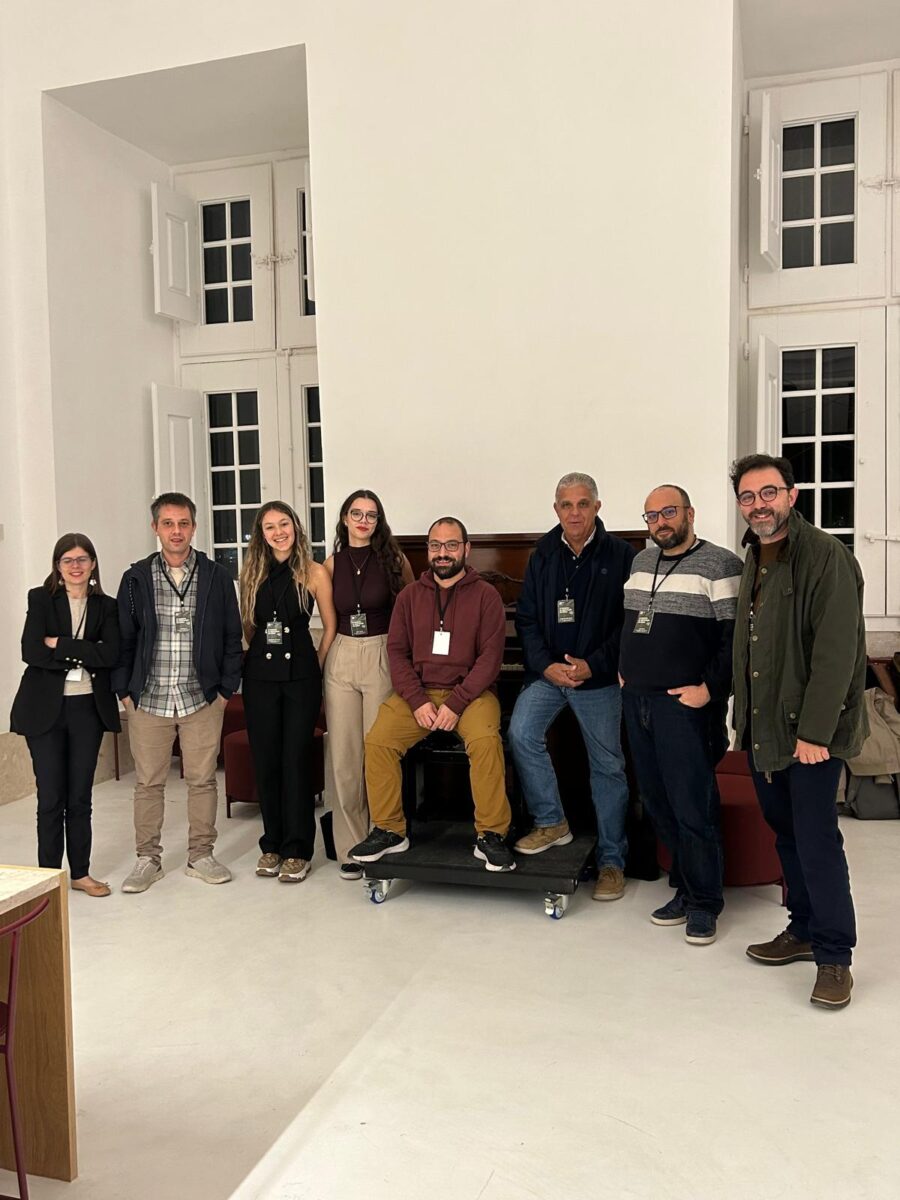
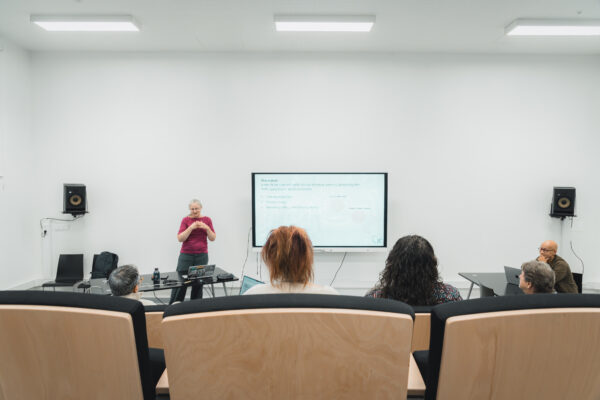
The Institute of Ethnomusicology – Center for Studies in Music and Dance (INET-md) was strongly represented at EnIM 2026. The meeting featured the active participation of several researchers, research fellows, and students from the Faculty of Education, who shared their latest work and reflections on music education and the projects they are developing.
Among the INET-md researchers, the program included presentations of great relevance to their respective fields of expertise:
Jorge Alexandre Costa, who coordinated panel P4, “A Formação Musical no ensino artístico especializado: uma disciplina periférica com imaginação do centro” (Music Theory and Aural Training in specialized artistic education: a peripheral discipline with a center imagination), presenting the paper “A Formação Musical no Ensino Artístico Especializado: um retrato in cinco etapas” (Music Theory and Aural Training in Specialized Artistic Education: a portrait in five stages).
José Carlos Mateus, featured in session S11, “Pedagogia e treino auditivo” (Pedagogy and aural training), where he addressed the recovery of heritage in ear training with the presentation “Recovering Portuguese aural training heritage: ‘Solfejos Autógrafos de Compositores Portugueses’ as a Pedagogical Source”.
Luís Castro, who, co-authoring with Carol Gillanders in session S1, “Ensino Artístico Especializado” (Specialized Artistic Education), presented the topic “Aprender a improvisar ou improvisar para aprender? Um quadro multidimensional para investigar a improvisação no ensino secundário especializado de música” (Learning to improvise or improvising to learn? A multidimensional framework to investigate improvisation in specialized secondary music education).
Nuno Peixoto de Pinho and Tiago Manuel da Hora, who shared session S10, “Manuscritos e Edições” (Manuscripts and Editions), jointly presenting the work “Do manuscrito à edição moderna do Concerto para Violino de Augusto Marques Pinto: ambiguidades, lacunas e decisões editoriais” (From manuscript to the modern edition of Augusto Marques Pinto’s Violin Concerto: ambiguities, gaps, and editorial decisions). Tiago Manuel da Hora also coordinated panel P6, “Património musical português e ensino de música: contexto, desafios e propostas pedagógicas” (Portuguese musical heritage and music teaching: context, challenges, and pedagogical proposals).
The center’s scientific vitality was also reflected in the participation of two research fellows:
Ana Beatriz de Andrade, who presented the paper “Orquestra Clássica da Madeira: uma leitura multidimensional de uma instituição artística” (Orquestra Clássica da Madeira: a multidimensional reading of an artistic institution) in session S12, “Orquestras regionais e políticas públicas” (Regional orchestras and public policies).
Sílvia Tavares, who, co-authoring with Filipe Lopes, presented the project “OUVIDO ABSURDO: um jogo de tabuleiro para o estudo de teoria musical” (OUVIDO ABSURDO: a board game for the study of music theory), integrated into session S11.
This meeting also included the involvement and participation of several students from the Bachelor’s degree in Music Education and the Master’s degree in Music Teaching, reinforcing the continuous link between academic training and the scientific research developed at the Institute.
Related