


PERMANENT SEMINAR OF THE RESEARCH GROUP ON ETHNOMUSICOLOGY AND STUDIES IN POPULAR MUSIC
31.03.2026 | 2:30 pm | DeCA UA | João Branco Amphitheater | Online
Free entrance, both online and in presence.
The Soundscape of the Chapada do Araripe: Sonic Listening, Sonic Materiality, and Cultural Practices in the Cariri Region of Ceará
Marcio Mattos | UFCA // Angélica Luna | IFCE
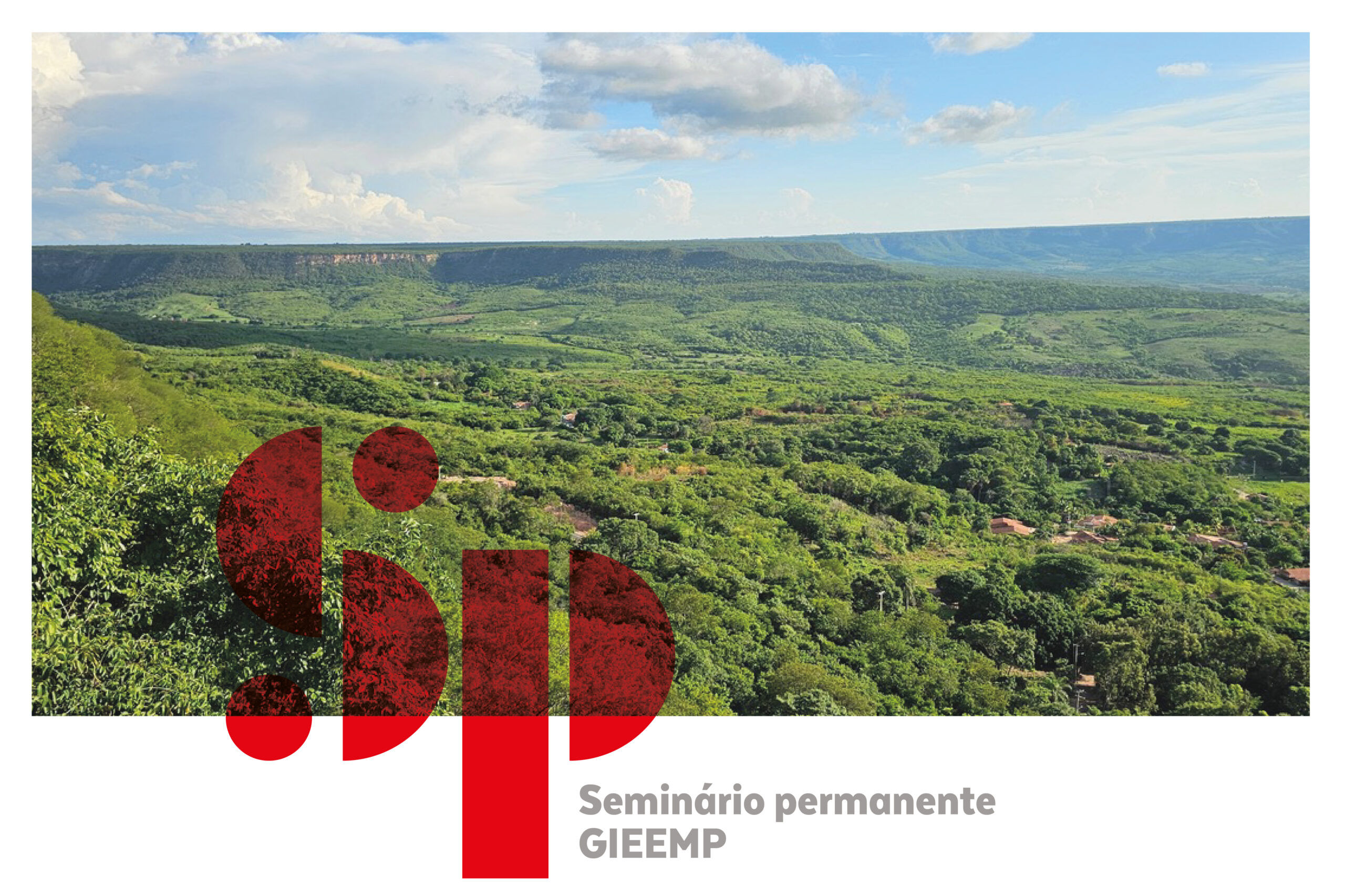
The project The Soundscape of the Chapada do Araripe: Sonic Listening, Sonic Materiality, and Cultural Practices in the Cariri Region of Ceará investigates the soundscape as a relational, historical, and cultural phenomenon, articulating listening, sonic materiality, and musical practices within a territory of high environmental and symbolic relevance in northeastern Brazil. The Cariri region of Ceará is located in the southern part of the state of Ceará and is characterized by intense cultural, musical, and environmental diversity, with the Chapada do Araripe constituting a structuring element of its natural landscape and ways of life. Situated within the interdisciplinary field of ethnomusicology and contemporary sound studies, the research approaches the soundscape beyond the identification of sound sources, understanding it as a field of sensory experiences, social practices, and environmental dynamics in transformation.
The Chapada do Araripe is included on Brazil’s tentative list for recognition as a World Heritage Site by UNESCO, which lends international relevance to the study of its natural and cultural environments. In this context, the project examines how processes of modernization, globalization, and changes in modes of production and ways of life are reflected in the region’s sound environments. The methodology combines continuous theoretical review, practices of attentive listening, systematic sound recordings, and observation of natural, urban, and cultural contexts, supporting qualitative analyses and the development of sound maps as tools for research and knowledge mediation.
As an artistic outgrowth of the investigative process, the research incorporates musical creation as a constitutive dimension of the project, with the group Charanga da Ciça do Pífe serving as a space for musical experimentation. The project also foresees the production of a sound and audiovisual archive, scientific publications, and educational actions. Developed through an institutional partnership among the Federal University of Cariri, the Federal Institute of Ceará – Crato Campus, and the Regional University of Cariri, the study aims to contribute to the advancement of soundscape studies, the strengthening of cultural citizenship, and reflections on public policies for culture and the environment.
Marcio Mattos |
Marcio Mattos holds a doctorate in Music from the Universidad Complutense de Madrid. He is a professor in the undergraduate Music program at the Universidade Federal do Cariri (UFCA), working in the fields of Ethnomusicology and Music Education. A musician, composer, instrumentalist, and arranger, he conducts research focused on popular and traditional music. He is the head of the Centro de Estudos Musicais do Cariri (CEMUC) and a professor in the Professional Master’s Program in Arts at the Universidade Regional do Cariri (URCA). He was a member of the Chief Scientist of Culture Program, linked to Funcap, and is currently a Research Productivity Fellow (BPI) funded by the same foundation.
Angélica Luna |
Angélica Luna holds a doctoral degree from the Universidade Estadual do Ceará (UECE). She is a professor at the Instituto Federal do Ceará (IFCE), where she teaches Animal Anatomy, Physiology, and Pharmacology in the undergraduate program in Animal Science. She is a member of the research project The Soundscape of the Chapada do Araripe: a study on music, environment, and cultural citizenship, which investigates interactions between natural sounds, cultural practices, and environmental transformations in the Chapada do Araripe region. Her work integrates science, culture, and environmental education, with an emphasis on valuing local knowledge and analyzing socio-environmental changes associated with globalization processes. She carries out teaching, research, and extension activities from an interdisciplinary perspective, integrating knowledge from the biological and human sciences, guided by a commitment to critical professional education, sustainability, and cultural citizenship.