Team
Diana Vinagre (INET-md, Violoncello and Artistic Direction) Rebecca Rosen (Violoncello) Tomasz Wesołowski (Basson) Kamila Marcinkowska (Basson) Marta Vicente (Double Basse) Fernando Miguel Jalôto (INET-md, Organ) Ana Quintans (Soprano) Raquel Mendes (Soprano) Gabriel Diaz (Contralto) António Meneses (Contralto) Rodrigo Carreto (Tenor) Fernando Guimarães (Tenor) Hugo Oliveira (Basse) Luís Rendas (Basse)
Funding
Direção-Geral das Artes, Programa Caixa Cultura and INET-md, through the support of FCT.
Institutions involved (in collaboration or partnership)
Ensemble Bonne Corde INET-md FIOMS – Festival Internacional de Órgão e Música Sacra Antena 2 – RTP MPMP – Movimento Patrimonial pela Música Portuguesa Museu da Música
The project “Sumptuous Basses of the Patriarchal” by the Ensemble Bonne Corde, under the artistic direction of Diana Vinagre, a researcher at INET-md, will be supported by the Programa de Apoio a Projectos (Música) of the Direcção-Geral das Artes – Ministério da Cultura, as well as by the Programa Caixa Cultura. In partnership with INET-md, MPMP – Movimento Patrimonial pela Música Portuguesa, Antena 2 – RTP, and FIOMS – Festival internacional de Órgão e Música Sacra, the project presents the modern premiere of the Messa a quattro voci, con Violoncelli, Fagotti, Basso, ed Organo by António de Pádua Puzzi (c.1762 – c.1819), including a concert presentation in Porto, and a recording of the work for the Ramée – Outhere Music label, as well as the publication of the score.
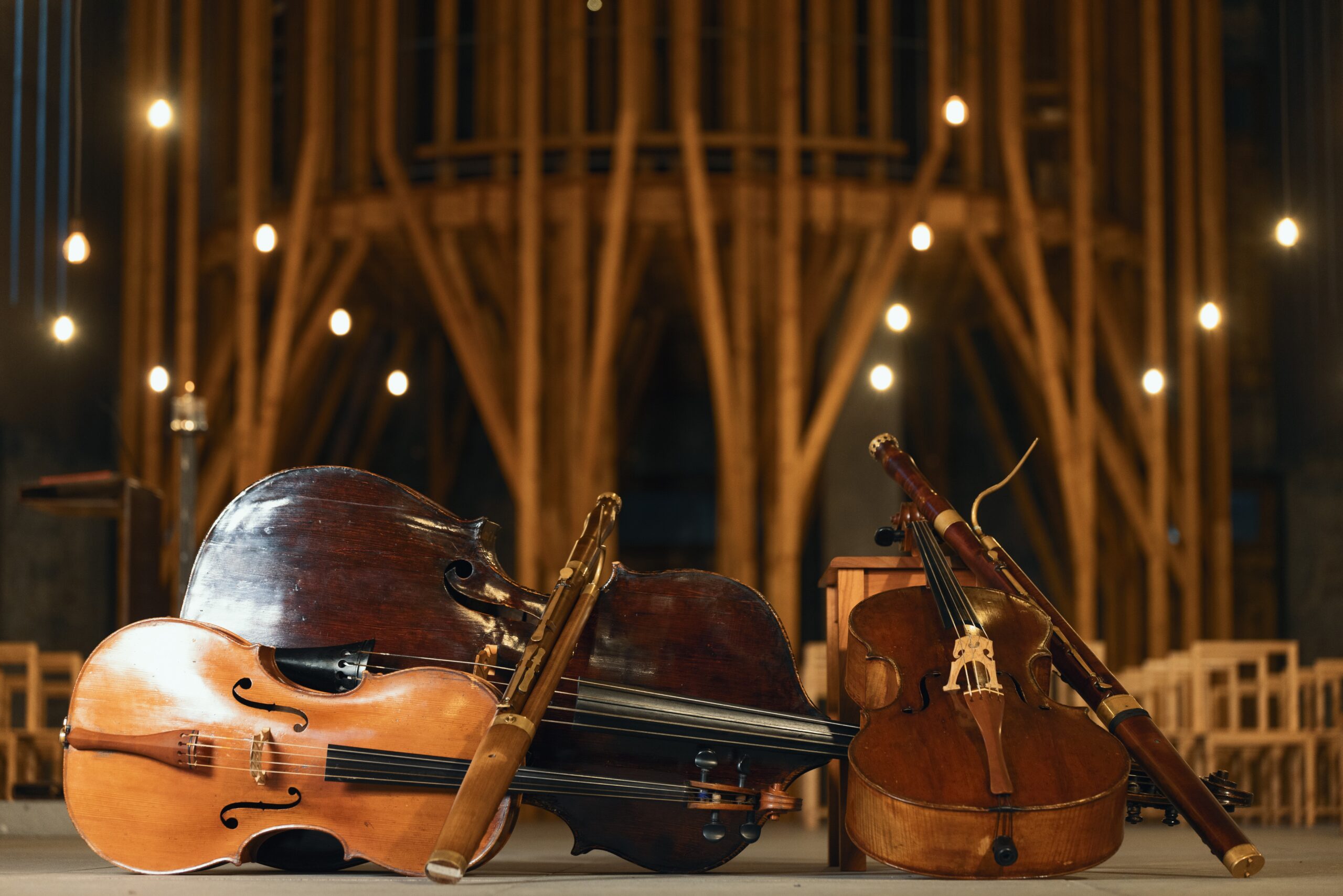
“Sumptuous Basses” follows the doctoral research of Diana Vinagre and will be the first modern approach to a specifically Portuguese instrumental typology in which classical orchestral writing is simulated through the instruments of the basso continuo. This instrumentation, which assigns solo parts to two cellos and two bassoons, became common among composers of the Patriarchal Chapel from the last quarter of the 18th century to the early 19th century, and it also spread to other contexts outside the court. The Mass in 4 voices by António Puzzi is one of several dozen works that survive from this unique musical practice among the coeval European contexts and is emblematic of Portuguese musical life at the end of the 1700s.
Keywords
Portuguese sacred music; violoncello in Portugal; historically informed perfomance practice